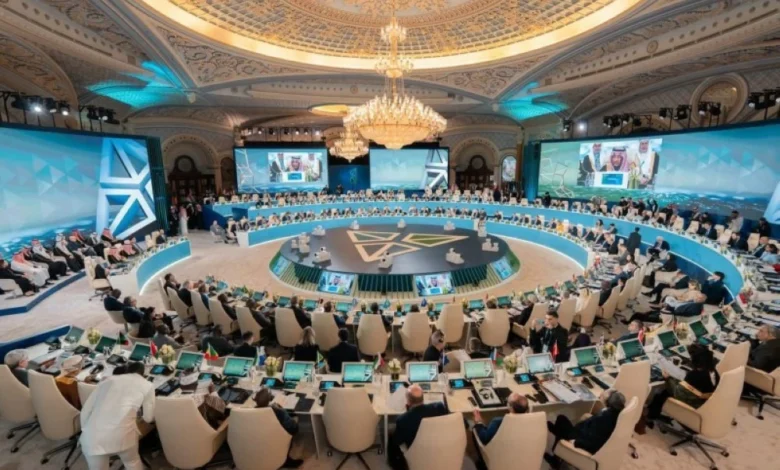
اختتمت أعمال النسخة الخامسة من مؤتمر التعدين الدولي، اليوم (الخميس)، في الرياض، بعد 3 أيام من النقاشات المكثفة، التي شارك فيها أكثر من 20 ألف مشارك ونحو 400 متحدث من وزراء وصنّاع قرار وخبراء دوليين، ركزت على مستقبل قطاع التعدين والمعادن في ظل التحولات الصناعية والطاقية المتسارعة عالميًا.
وشهد اليوم الختامي للمؤتمر تركيزًا لافتًا على توطين معالجة وتصنيع المعادن كأولوية للمرحلة القادمة، حيث أكد وزير الصناعة والثروة المعدنية بندر الخريّف أن مستقبل التعدين لم يعد يقتصر على الاستخراج، بل يتجه نحو بناء سلاسل قيّمة متكاملة تشمل المعالجة والتصنيع محليًا، بما يعزز العوائد الاقتصادية ويولّد فرصًا نوعية في الصناعات المرتبطة بالمعادن.
وتكاملت مخرجات الجلسات الختامية مع نتائج الاجتماعات الوزارية المصاحبة، التي ناقشت فجوات تمويل سلاسل الإمداد المعدنية، والحاجة إلى أطر تعاون دولية أكثر مرونة، تُسهم في تسريع تطوير مشاريع التعدين والمعادن الحرجة، مع الحد من المخاطر الاستثمارية طويلة الأجل.
التمويل والاستثمار
كما برز ملف التمويل والاستثمار كأحد أبرز محاور المؤتمر، في ظل تنامي الطلب العالمي على المعادن المرتبطة بالتحول الصناعي والطاقة النظيفة، حيث جرى التأكيد على أهمية تطوير أدوات تمويل مبتكرة، وتعزيز دور الصناديق السيادية والمؤسسات التنموية في دعم مشاريع التعدين، لا سيما في الدول الغنية بالموارد.
وشهد المؤتمر سلسلة من اللقاءات الثنائية والمشاورات متعددة الأطراف، استهدفت توسيع التعاون في مجالات الاستكشاف ونقل المعرفة وتبادل الخبرات التنظيمية والتقنية، بما يعكس توجه المؤتمر ليكون منصة تنسيقية عالمية لقضايا التعدين.
ويأتي ختام المؤتمر في وقت يتصاعد فيه التنافس الدولي على المعادن الاستراتيجية، وسط مساعي السعودية لترسيخ موقعها كمحور إقليمي ودولي في قطاع التعدين، عبر تطوير مواردها المحلية، وبناء شراكات دولية، وتعزيز التكامل بين السياسات الصناعية والتمويلية، بما يدعم استدامة سلاسل الإمداد على المدى الطويل.
The fifth edition of the International Mining Conference concluded today (Thursday) in Riyadh, after three days of intensive discussions, attended by more than 20,000 participants and around 400 speakers, including ministers, decision-makers, and international experts. The discussions focused on the future of the mining and minerals sector in light of the rapidly changing industrial and energy transformations globally.
On the final day of the conference, there was a notable emphasis on localizing the processing and manufacturing of minerals as a priority for the upcoming phase. Minister of Industry and Mineral Resources Bandar Al-Khorayef confirmed that the future of mining is no longer limited to extraction but is moving towards building integrated value chains that include local processing and manufacturing, which enhances economic returns and generates quality opportunities in mineral-related industries.
The outcomes of the closing sessions complemented the results of the accompanying ministerial meetings, which discussed the funding gaps in mineral supply chains and the need for more flexible international cooperation frameworks that contribute to accelerating the development of critical mining and mineral projects while mitigating long-term investment risks.
Financing and Investment
The financing and investment file also emerged as one of the most prominent themes of the conference, amid the growing global demand for minerals linked to industrial transformation and clean energy. The importance of developing innovative financing tools and enhancing the role of sovereign funds and development institutions in supporting mining projects, especially in resource-rich countries, was emphasized.
The conference featured a series of bilateral meetings and multilateral consultations aimed at expanding cooperation in exploration, knowledge transfer, and the exchange of organizational and technical expertise, reflecting the conference’s aim to be a global coordinating platform for mining issues.
The conclusion of the conference comes at a time when international competition for strategic minerals is intensifying, amidst Saudi Arabia’s efforts to establish itself as a regional and international hub in the mining sector by developing its local resources, building international partnerships, and enhancing the integration between industrial and financial policies, thereby supporting the sustainability of supply chains in the long term.