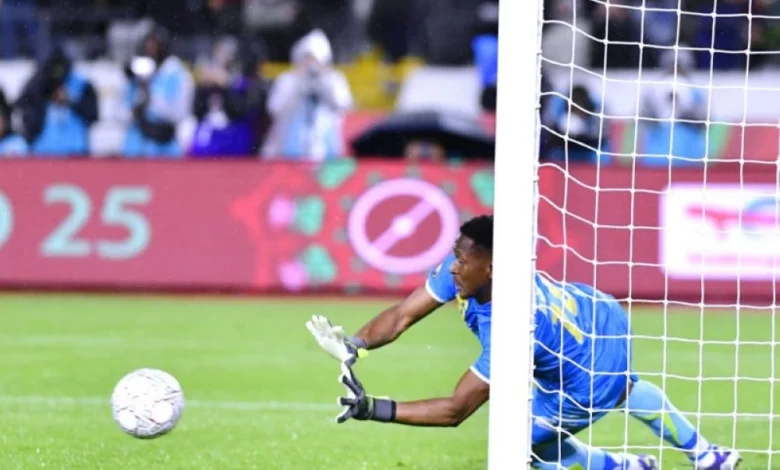
في عالم كرة القدم، لا تقاس اللحظات الحاسمة بقوة التسديد فقط، بل بجرأة القرار وثبات الأعصاب، وبين آلاف ركلات الجزاء التي تنفذ بطريقة تقليدية، تبرز ضربة (بانينكا) حالةً استثنائيةً تختصر الذكاء، والثقة، والمخاطرة في ثانية واحدة، فهي تسديدة قد تصنع مجد لاعب وتخلده في ذاكرة الجماهير، أو تفتح عليه أبواب الانتقاد القاسي إذا خانته الجرأة في لحظة لا تحتمل الخطأ، ومن هنا تتحول (بانينكا) من مجرد ركلة جزاء إلى اختبار نفسي حقيقي، تتقاطع فيه أعصاب اللاعب مع أنفاس الجماهير وقرارات المدربين في مشهد لا يتكرر إلا في كرة القدم.
يقول مدرب اللياقة البدنية وكرة القدم محمد السليم لـ«عكاظ»:
تعتبر ضربة جزاء (بانينكا) واحدة من أكثر التسديدات إثارة للجدل في عالم كرة القدم، لما تحمله من مخاطرة عالية وبعد نفسي معقد، إذ إنها ليست مجرد طريقة للتسجيل، بل رسالة ثقة وتحدٍّ في لحظة قد تحسم البطولات.
وأوضح أن «ضربة (بانينكا) تعود في أصلها إلى اللاعب التشيكوسلوفاكي أنتونين بانينكا، الذي نفذها لأول مرة بشكل لافت في نهائي بطولة أمم أوروبا عام 1976 أمام ألمانيا الغربية، عندما سدد الكرة بهدوء في منتصف المرمى بينما ارتمى الحارس جانباً، لتدخل التاريخ وتحمل اسمه حتى اليوم».
وبين السليم أن طريقة تنفيذ ضربة (بانينكا) تعتمد على ملاحظة حركة حارس المرمى وانتظار لحظة اندفاعه قبل لمس الكرة بلمسة خفيفة ومقوسة نحو منتصف المرمى، وهذه التسديدة تتطلب صفات خاصة في اللاعب، أبرزها الثقة العالية بالنفس، ورباطة الجأش، والقدرة على التحكم بالضغط، إضافة إلى قراءة جيدة لتصرفات الحارس.
وأشار إلى أن عدداً من النجوم العالميين أتقنوا تنفيذ ضربة (بانينكا) باحترافية لافتة، من بينهم أندريا بيرلو، زين الدين زيدان، ليونيل ميسي، كريستيانو رونالدو، وسيرجيو راموس، حيث لجأ هؤلاء اللاعبون إلى هذه التسديدة في مباريات كبيرة، ما زاد من شهرتها وجعلها رمزاً للجرأة الكروية، كما أن ضربة بانينكا تعتبر اختباراً حقيقياً لشخصية اللاعب، إذ يعيش المنفذ لحظة صراع بين الثقة والخوف، بينما تعيش الجماهير حالة من الترقب والقلق، خوفاً من إهدار الفرصة بطريقة قد تفسر على أنها استهتار أو مبالغة في الثقة.
وأضاف السليم: «إن انتقادات الجماهير غالباً ما تكون قاسية في حال فشل تسديدة (بانينكا)، إذ يتحول الإعجاب إلى غضب، وقد يحمل اللاعب مسؤولية الخسارة كاملة، وهو ما يفسر تخوف كثير من المدربين من السماح للاعبيهم بتنفيذها، خصوصاً في المباريات المصيرية، لكونها تحمل مجازفة غير مضمونة».
واختتم السليم حديثه قائلاً: «ضربة (بانينكا) ستبقى جزءاً من جمال كرة القدم وجنونها، فهي تسديدة تجمع بين المهارة والذكاء والشجاعة، وقد تصنع مجداً لحظة النجاح، أو تفتح باب الانتقادات الواسعة عند الإخفاق، لتظل شاهدةً على أن كرة القدم لا تلعب بالأقدام فقط، بل بالعقول والقلوب أيضاً».
In the world of football, decisive moments are not only measured by the power of the shot but also by the boldness of the decision and the steadiness of nerves. Among thousands of penalty kicks executed in a traditional manner, the Panenka kick stands out as an exceptional case that encapsulates intelligence, confidence, and risk in a single second. It is a shot that can create a player’s glory and immortalize them in the memories of fans, or it can open the doors to harsh criticism if they lack the courage at a moment where mistakes are intolerable. Hence, the Panenka transforms from just a penalty kick into a true psychological test, where the player’s nerves intersect with the breaths of the fans and the decisions of the coaches in a scene that only occurs in football.
Fitness and football coach Mohamed Al-Saleem tells “Okaz”:
The Panenka penalty is considered one of the most controversial shots in the world of football due to its high risk and complex psychological aspect. It is not just a method of scoring; it is a message of confidence and challenge at a moment that could determine championships.
He explained that “the Panenka kick originated from the Czechoslovak player Antonín Panenka, who executed it for the first time impressively in the final of the European Championship in 1976 against West Germany, when he calmly shot the ball into the center of the goal while the goalkeeper dived to the side, thus entering history and carrying his name to this day.”
Al-Saleem noted that the execution of the Panenka kick relies on observing the goalkeeper’s movement and waiting for the moment of their rush before lightly and curvily touching the ball towards the center of the goal. This shot requires special qualities in the player, the most important of which are high self-confidence, composure, and the ability to manage pressure, in addition to a good reading of the goalkeeper’s actions.
He pointed out that several global stars have mastered the execution of the Panenka kick with remarkable professionalism, including Andrea Pirlo, Zinedine Zidane, Lionel Messi, Cristiano Ronaldo, and Sergio Ramos, as these players resorted to this shot in major matches, which increased its fame and made it a symbol of football audacity. Moreover, the Panenka kick is considered a true test of the player’s character, as the executor experiences a moment of struggle between confidence and fear, while the fans live in a state of anticipation and anxiety, fearing the squandered opportunity in a way that could be interpreted as carelessness or excessive confidence.
Al-Saleem added: “Fan criticism is often harsh if the Panenka shot fails, as admiration turns to anger, and the player may bear full responsibility for the loss, which explains the fear many coaches have of allowing their players to execute it, especially in crucial matches, as it carries an uncertain risk.”
Al-Saleem concluded his remarks by saying: “The Panenka kick will remain a part of the beauty and madness of football, as it is a shot that combines skill, intelligence, and courage, capable of creating glory in moments of success or opening the door to widespread criticism in case of failure, serving as a testament that football is not only played with feet but also with minds and hearts.”