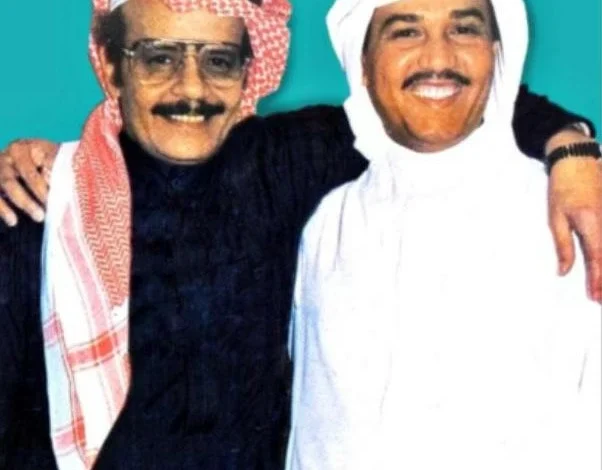
أعاد فيديو تهنئة نشرته صحيفة عكاظ على منصاتها الرقمية إحياء واحد من أعمق الأسئلة الفنية في الوجدان السعودي: أي الأغنيتين أكثر قدرة على ملامسة روح العيد، «من العايدين» لمحمد عبده، أم «كل عام وأنتم بخير» لطلال مداح؟
الفيديو لم يكن مجرد تهنئة عابرة، بل تحوّل سريعًا إلى ساحة نقاش حيوي بين جمهورين يحمل كل منهما ذاكرة مختلفة، وإن تشاركا الشعور ذاته. أنصار محمد عبده يرون في «من العايدين» نصًا غنائيًا متكاملًا، صاغه إبراهيم خفاجي بلغة احتفالية دافئة، وأداه «فنان العرب» بأسلوب يختزن الفخامة والفرح في آنٍ واحد، حتى أصبحت الأغنية جزءًا من الطقس الصوتي للعيد في البيوت السعودية.
في المقابل، يتمسك محبو طلال مداح بـ«كل عام وأنتم بخير» بوصفها الأغنية الأقرب إلى القلب، ببساطتها وصدقها، حيث كتب كلماتها الشريف منصور، وجاء أداؤها عفويًا حميميًا، كأنها تُقال لا تُغنّى، وهو ما منحها قدرة استثنائية على إثارة الحنين.
هذا السجال لا يُحسم بالأرقام ولا بالانتشار، بل بطبيعة العلاقة التي نسجها كل عمل مع الذاكرة.
فالأغنيتان وُلدتا في مطلع الثمانينيات، لكنهما لم تغادرا الوجدان، بل استمرتا كصوتين متوازيين للعيد؛ أحدهما يحتفي به، والآخر يحنّ إليه.
وفي النهاية، يبدو أن الجدل ذاته هو الدليل الأوضح على أن العيد في المملكة لا يُسمع بصوت واحد، بل يُغنّى بمدرستين: طلال ومحمد.
A congratulatory video published by Okaz newspaper on its digital platforms has revived one of the deepest artistic questions in the Saudi psyche: which of the two songs is more capable of touching the spirit of Eid, “Min al-A’idin” by Mohammed Abdu, or “Kul ‘Aam Wa Antum Bikhair” by Talal Maddah?
The video was not just a fleeting greeting; it quickly transformed into a lively discussion arena between two audiences, each carrying a different memory, even though they share the same feeling. Supporters of Mohammed Abdu see “Min al-A’idin” as a complete lyrical text, crafted by Ibrahim Khafaji in a warm celebratory language, and performed by the “Artist of the Arabs” in a style that encapsulates both grandeur and joy, making the song a part of the auditory ritual of Eid in Saudi homes.
In contrast, fans of Talal Maddah hold onto “Kul ‘Aam Wa Antum Bikhair” as the song closest to their hearts, with its simplicity and sincerity, as its lyrics were penned by Sharif Mansour, and its performance was spontaneous and intimate, as if it were being spoken rather than sung, which endowed it with an exceptional ability to evoke nostalgia.
This debate cannot be resolved by numbers or popularity, but rather by the nature of the relationship each work has woven with memory.
Both songs were born in the early eighties, yet they have not left the consciousness; instead, they continue to serve as parallel voices for Eid; one celebrates it, while the other longs for it.
In the end, it seems that the very debate is the clearest evidence that Eid in the Kingdom is not heard in a single voice, but is sung in two schools: Talal and Mohammed.