حذر صندوق النقد الدولي من أن الحرب مع إيران وما يصاحبها من اضطرابات في إمدادات الطاقة قد تؤدي إلى ارتفاع معدلات التضخم وتباطؤ النمو الاقتصادي على مستوى العالم، وذلك في حال استمرار ارتفاع أسعار النفط والغاز لفترة طويلة.
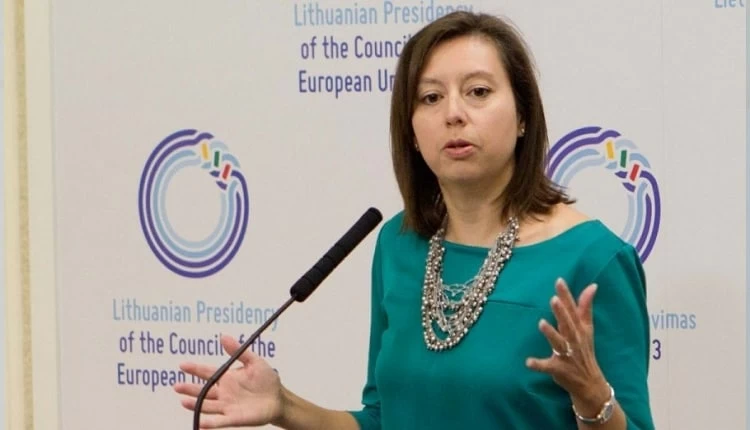
وأوضحت المتحدثة باسم الصندوق جولي كوزاك أن المؤسسة الدولية تتابع عن كثب تطورات الأوضاع، مشيرة إلى عدم تلقي أي طلبات رسمية للحصول على تمويل طارئ حتى الآن، مع التأكيد على جاهزية الصندوق لدعم الدول الأعضاء عند الحاجة.
وأضافت أن صندوق النقد يعمل على تحديث تقييمه الأخير للاقتصاد الأمريكي ليعكس تداعيات الحرب، على أن يتم عرض التقييم المحدث على مجلس الإدارة خلال الأسابيع القادمة قبل نشره رسمياً.
صدمات جديدة
وكانت مديرة صندوق النقد الدولي كريستالينا غورغييفا قد صرحت في وقت سابق، أن الحرب في الشرق الأوسط ستختبر مرونة الاقتصاد العالمي، وحذرت من أن «صدمات جديدة بأشكال وأحجام مختلفة» ستستمر في الظهور.
وفي تأكيدها على قلق صندوق النقد الدولي من المعاناة وفقدان الأرواح الناتجة عن أزمة الشرق الأوسط، حذرت غورغييفا من أن الصراع المطول قد يؤثر على أسعار الطاقة، ومعنويات السوق، والنمو الاقتصادي، والتضخم، «مما يضع أعباء جديدة على عاتق صانعي السياسات في كل مكان».
The International Monetary Fund warned that the war with Iran and the accompanying disruptions in energy supplies could lead to rising inflation rates and a slowdown in global economic growth, especially if oil and gas prices remain high for an extended period.
The Fund’s spokesperson, Julie Kozak, clarified that the international institution is closely monitoring the developments, noting that no official requests for emergency funding have been received so far, while emphasizing the Fund’s readiness to support member countries when needed.
She added that the IMF is updating its latest assessment of the U.S. economy to reflect the implications of the war, with the updated assessment to be presented to the Board of Directors in the coming weeks before its official release.
New Shocks
IMF Managing Director Kristalina Georgieva had previously stated that the war in the Middle East will test the resilience of the global economy, warning that “new shocks in various forms and sizes” will continue to emerge.
Reiterating the IMF’s concern over the suffering and loss of life resulting from the Middle East crisis, Georgieva warned that a prolonged conflict could impact energy prices, market sentiment, economic growth, and inflation, “placing new burdens on policymakers everywhere.”