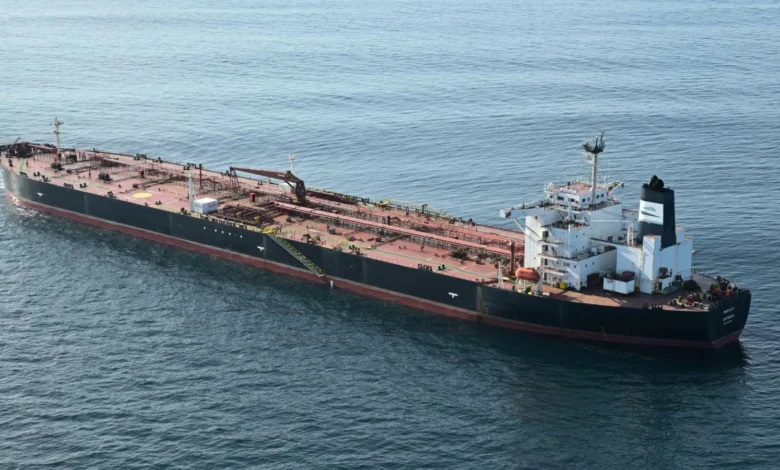
بدأ المشترون الدوليون في التوافد بسرعة على النفط الروسي، بعد ساعات قليلة فقط من إعلان وزارة الخزانة الأمريكية إصدار ترخيص عام، يسمح ببيع وتسليم النفط الخام والمنتجات النفطية الروسية التي تم تحميلها على السفن حتى تاريخ محدد، وذلك حتى 11 أبريل القادم.
ويهدف الترخيص الذي وصفته الخزانة الأمريكية بأنه «إجراء محدود ومؤقت» إلى زيادة المعروض العالمي من الإمدادات النفطية وتحقيق استقرار في أسواق الطاقة، التي تعاني اضطرابات حادة نتيجة التوترات الجيوسياسية في الشرق الأوسط، وخصوصاً إغلاق مضيق هرمز جزئياً أو تأثيرات الصراع المستمر الذي أدى إلى ارتفاع أسعار الخام إلى مستويات قياسية.
وكشفت شبكة CNBC الأمريكية أن تايلاند والهند أعلنتا رسمياً استعدادهما الفوري لاستئناف أو تكثيف شراء النفط الروسي فور صدور الترخيص الجديد، وأشارت إلى أن اليابان تدرس حالياً خيار العودة إلى استيراد النفط الروسي، في خطوة قد تعيد رسم خارطة التجارة النفطية العالمية مؤقتاً.
يأتي هذا التحول بعد فترة من الضغوط الأمريكية الشديدة على الدول المستوردة للنفط الروسي، بهدف تقليص إيرادات موسكو المالية المستخدمة في تمويل عملياتها العسكرية.
لكن الظروف الاستثنائية في أسواق الطاقة مع انخفاض الإمدادات من الشرق الأوسط وارتفاع أسعار النفط فوق مستويات 100 دولار للبرميل في بعض الفترات دفعت واشنطن إلى إصدار هذا الترخيص المؤقت للسماح بتصريف الكميات «العالقة في البحر» دون أن يمنح ذلك فوائد مالية كبيرة طويلة الأمد لروسيا، حسب تصريحات وزير الخزانة الأمريكي.
وكانت الهند قد اشترت بالفعل عشرات الملايين من براميل النفط الروسي خلال الأيام الأولى بعد ترخيص سابق محدود، مما يشير إلى قدرة السوق على امتصاص الكميات المتاحة بسرعة كبيرة.
ومن المتوقع أن يساهم هذا التدفق المؤقت في تهدئة الأسعار العالمية، لكنه يثير في الوقت نفسه تساؤلات حول استدامة السياسة الأمريكية تجاه العقوبات على روسيا في ظل الأزمات الطاقية المتلاحقة.
International buyers have quickly begun to flock to Russian oil, just hours after the U.S. Treasury Department announced the issuance of a general license allowing the sale and delivery of Russian crude oil and petroleum products loaded onto ships by a specified date, until April 11th.
The license, which the U.S. Treasury described as a “limited and temporary measure,” aims to increase the global supply of oil and stabilize energy markets, which are experiencing severe disruptions due to geopolitical tensions in the Middle East, particularly the partial closure of the Strait of Hormuz or the impacts of the ongoing conflict that has driven crude prices to record levels.
U.S. network CNBC revealed that Thailand and India have officially announced their immediate readiness to resume or intensify purchases of Russian oil as soon as the new license is issued, and noted that Japan is currently considering the option of returning to import Russian oil, in a move that could temporarily redraw the global oil trade map.
This shift comes after a period of intense U.S. pressure on countries importing Russian oil, aimed at reducing Moscow’s financial revenues used to fund its military operations.
However, the exceptional circumstances in energy markets, with declining supplies from the Middle East and oil prices rising above $100 per barrel at certain times, prompted Washington to issue this temporary license to allow the disposal of quantities “stuck at sea” without granting significant long-term financial benefits to Russia, according to statements from the U.S. Treasury Secretary.
India had already purchased tens of millions of barrels of Russian oil in the early days following a previous limited license, indicating the market’s ability to absorb available quantities very quickly.
This temporary influx is expected to help calm global prices, but it simultaneously raises questions about the sustainability of U.S. policy regarding sanctions on Russia amid ongoing energy crises.