
بعد اللقاء التلفزيوني العفوي الشفيف مع المثقفة القديرة مي بنت العلامة حمد الجاسر على قناة الثقافية؛ وبهجة المجتمع المثقف بظهورها وحديثها العذب والذكريات الجميلة التي شاركتنا فيها والشخوص المهمة التي ذكرتها في لقائها والأحداث التي كانت شاهدا عليها سواء في حياتها الخاصة أو حياة علامة الجزيرة العربية الذي تهفو أسماعنا إلى سيرته وحياته، فلقد كان مؤرخا ونسابة سعودي رائد، ولا أنسى القصة التي قصها زوجي علي ويدين للعلامة بالفضل لأنه كتب عن «باهلة القبيلة المفترى عليها» حسب عنوان الكتاب ردا على من لم ينصفها، وكثر هي العوائل التي تدين له بتوثيق تاريخها وتاريخ الجزيرة بشكل عام.
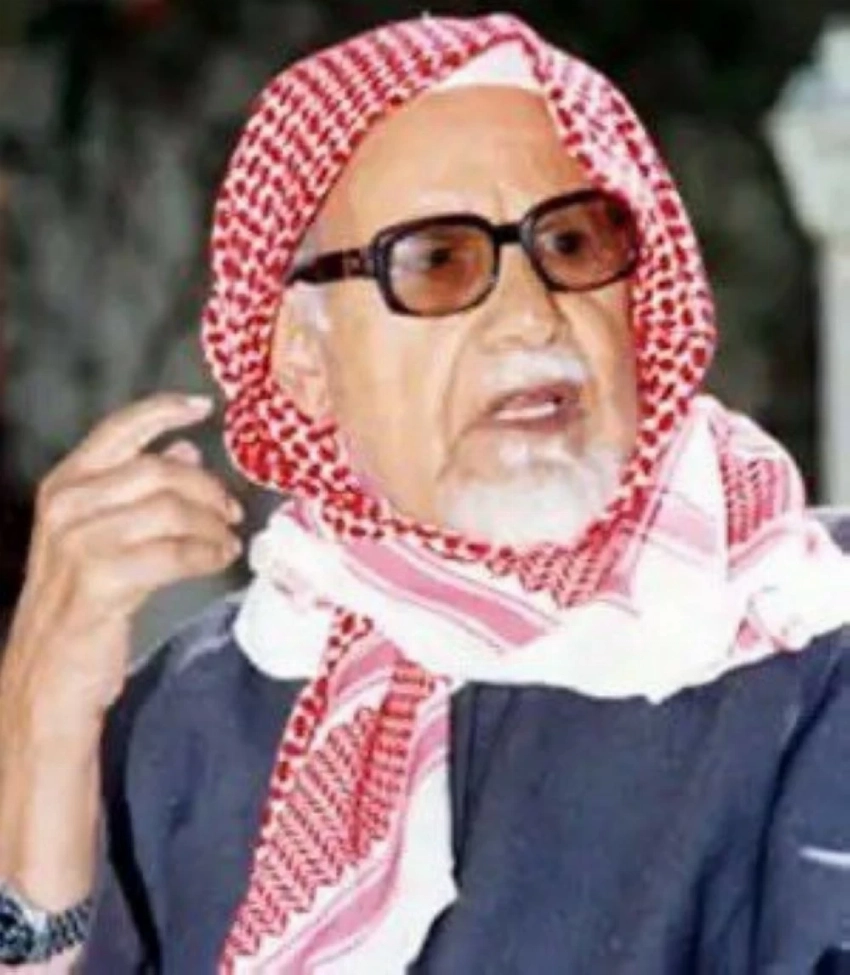
تحدثت مي الجاسر عن والدها ونشأتها في ظل أب رحالة يبحث عن الرزق وأم تحملت مسؤولية تربية أطفالها طوال حياتهم في ظل غياب الأب وترحاله المتكرر؛ مما جعل هيلة العنقري اطال الله عمرها النموذج للمرأة الشجاعة القوية التي تعتمد على نفسها، وهذا أكسب مي شخصيتها القوية كامرأة واثقة من نفسها حصينة بتربية مدروسة منذ الصغر.
لقد كان الشيخ حمد المخطط الأساسي للنهج الذي سارت عليه أسرته سواء في حضوره أو غيابه، وقد وضع لبنات التربية التي أراد أن ينشأ عليها أبناؤه، وإن كان بعيدا أو كثير السفر ومنشغلا بعمله الوظيفي؛ فإن الزوجة كانت بمثابة المدير التنفيذي لتلك الخطة، ولم يكن يغفل عن الإحاطة بتفاصيل أفراد عائلته التي سمح لهم منذ فترة مبكرة ارتياد السينما والمسرح.
اللقاء كان نافذة على عفوية مي الجاسر وحديثها الشفيف وتفاصيل طفولتها ودراستها في المراحل الابتدائية حتى الجامعة وقصة تزويجها لنفسها لشريك حياتها الحربش الذي كان على مقربة منها أثناء تسجيل اللقاء وكانت تشركه حديثها كعين ثالثة مع الكاميرا والمحاور القدير محمد الخميسي.
مي التي تعد وردة في حديقة العلامة الجاسر الذي كان لأسماء أبنائه الحظ من ثقافته واطلاعه، فقد كانت هي سمية الأديبة المعروفة مي زيادة وقد جمعها بزوجها ذات الميول الثقافية التي اكتسبتها من جينات الوالد وتربيته لهم ثم ثقافة بيت جدها لوالدتها ونشأتها فيه بالطائف.
«بين غربة وأربعة أوطان تشكلت ذاكرتي» تقول مي ؛
مصر، بيروت أمريكا وبين كل فصول حياتهاظل الوطن هو الفصل الأجمل، وقد تخللت إقامتها في مصر الكثير من الأحداث التي لطالما ردد الجاسر بأن الخلافات بين الدول العربية زوبعات وستنتهي.
مي التي واجهت مجتمعا مختلفا استطاعت الاندماج معه بسهولة وتحدي النظرة المختلفة لبنت الصحراء حملت كل ذلك كتجارب تعلمت منها ولم تضعفها بل كانت تزيدها تحديا وثباتا.
لم يكن لقاء الخميسي بمي الجاسر لقاء متفرد بسيرة هذه المرأة التي شقت طريقها بتؤدة ممهورة بالعلم محصنة بتربية وثقافة عميقة وتقاليد تجرعتها من المهد، بل كان نافذة على والدها علامة الجزيرة حمد الجاسر، وإنني إذ غمرتني السعادة أن استطاع البرنامج المميز الذي يحضر بالغائبين قليلي الظهور التلفزيوني أصحاب الأثر إلا أنني استغربت لتعليقات البعض على بعض ما ذكرته مي وهو نابع من سوء فهم وسطحية ومشاهدة مقاطع غير مكتملة بينما كان من الأهم الاطلاع على مسيرة رائعة يحتذى بها.
في زمن كان يحظر تعليم المرأة في المملكة نتيجة ظروف نعرفها؛ كان هم حمد الجاسر تعليم البنات؛ وقد تعلمت بناته على يد الكتاتيب وتثقفن من الكتب التي كان يحضرها للبيت وقد أعجبتني فقرة ذكرتها الدكتورة مي حول سبب عدم تعليم البنات: قالت ربما السبب كي لا يكتبن رسائل غرامية.
لقد درست مي في الكتاتيب وعلى أيدي أساتذة في المنزل قبل أن تذهب لمصر لتلقي تعليمها في الصف الرابع الابتدائي ثم تكمل في بيروت بعد ذلك، وكانت الأقدار في كل مر تقود مسيرة الأسرة للإقامة ببلد جديد.
استوقفتني قصة العلامة حمد الجاسر وفاؤه للملك خالد الذي ظل يحتفظ له بالمعروف كسبب لنجاته من العمى، فقد أصر عليه الملك خالد للذهاب لأمريكا وبينما هو يلاحق المخطوطات وجالس في مكتبة للقراءة نزل ماء من عينه السليمة وقد أنقذه الطب المتقدم في كليفلاند آنذاك ولم يفقد بصره.
مي وصفت الوضع الاجتماعي في المملكة في سنوات والاختلاف الذي حصل في السبعينيات وأكدت أنها المرأة التي لا تغريها المظاهر بقدر ما يهمها ثقافة الإنسان وتربيته وسلوكه، الإنسان الذي يحتفظ بجوهره أينما ذهب ويكون مرآة أسرته الصغيرة ووطنه الأكبر،
تعد عائلة الجاسر عائلة نموذجية للتربية الحقيقية التي تغمرها الثقة والحرية المسؤولة، وقد كان حديث مي عذبا ثريا بسيرة رجل أحببناه ومساحات من حياته الخاصة لم نكن نعرفها.
حين أزور اليوم دارة الجاسر سأرسم تصورا مختلفا عن كل زاوية فيه، لذلك أصفق اليوم للإعلام الهادف، وللثقافة التي ما زلت أدور في فلكها آنسة بأعلامها.
After the spontaneous and transparent television interview with the esteemed intellectual Mai, daughter of the scholar Hamad Al-Jasser, on the Cultural Channel; the joy of the cultured community at her appearance and her sweet talk, the beautiful memories she shared with us, the important figures she mentioned in her interview, and the events she witnessed, whether in her private life or in the life of the scholar of the Arabian Peninsula, whose biography and life we long to hear about. He was a pioneering Saudi historian and genealogist, and I cannot forget the story my husband Ali told, crediting the scholar for writing about “Bahlah, the wronged tribe,” as per the title of the book, in response to those who did not do justice to it. Many families owe him for documenting their history and the history of the island in general.
Mai Al-Jasser spoke about her father and her upbringing under a father who was a traveler in search of livelihood and a mother who bore the responsibility of raising her children throughout their lives in the absence of their father and his frequent travels; this made Haela Al-Anqari, may God prolong her life, a model of a brave, strong woman who relies on herself. This instilled in Mai a strong personality as a confident woman fortified by a well-considered upbringing from a young age.
Sheikh Hamad was the main planner of the path his family followed, whether in his presence or absence. He laid the foundations of the education he wanted his children to grow up with. Even though he was often away or busy with his job, the wife acted as the executive director of that plan, and he did not overlook the details of his family members, allowing them from an early age to attend the cinema and theater.
The interview was a window into the spontaneity of Mai Al-Jasser, her transparent talk, and the details of her childhood and education from primary school to university, as well as the story of how she married her partner Al-Harbash, who was close by during the recording of the interview, and she included him in her conversation as a third eye alongside the camera and the capable host, Mohammed Al-Khamisi.
Mai, who is considered a rose in the garden of the scholar Al-Jasser, had the fortune of her father’s culture and knowledge reflected in the names of his children. She was named after the well-known writer Mai Ziyada, and she shared cultural inclinations with her husband, which she inherited from her father’s genes and upbringing, as well as the culture of her maternal grandfather’s house where she was raised in Taif.
“Between alienation and four homelands, my memory was formed,” Mai says;
Egypt, Beirut, America, and amidst all the chapters of her life, the homeland remains the most beautiful chapter. Her stay in Egypt was filled with many events, and Al-Jasser often repeated that the disputes between Arab countries are storms that will pass.
Mai, who faced a different society, was able to integrate into it easily and challenge the different perceptions of a girl from the desert, carrying all that as experiences from which she learned, which did not weaken her but rather increased her challenge and resilience.
The meeting between Al-Khamisi and Mai Al-Jasser was not just a unique encounter with the biography of this woman who paved her way slowly, marked by knowledge and fortified by deep education and traditions she absorbed from the cradle, but it was also a window into her father, the scholar of the Arabian Peninsula, Hamad Al-Jasser. While I was overwhelmed with happiness that the distinguished program managed to highlight those who are rarely seen on television and who have made an impact, I was surprised by some comments on what Mai mentioned, stemming from misunderstanding and superficiality, as well as watching incomplete clips, while it was more important to learn about a wonderful journey that serves as a role model.
At a time when women’s education was prohibited in the Kingdom due to circumstances we know; Hamad Al-Jasser was concerned with educating girls. His daughters learned from the kuttab (traditional schools) and were cultured through the books he brought home. I was impressed by a point Dr. Mai mentioned regarding the reason for not educating girls: she said it might be so they wouldn’t write love letters.
Mai studied at the kuttab and under teachers at home before going to Egypt to continue her education in the fourth grade of primary school, then she continued in Beirut afterward, and fate led the family to reside in a new country each time.
I was struck by the story of the scholar Hamad Al-Jasser’s loyalty to King Khalid, who always remembered him as the reason for his escape from blindness. King Khalid insisted that he go to America, and while he was pursuing manuscripts and sitting in a library reading, water came from his healthy eye, and advanced medicine in Cleveland at that time saved him, and he did not lose his sight.
Mai described the social situation in the Kingdom during the years and the changes that occurred in the seventies, emphasizing that she is a woman who is not swayed by appearances as much as she cares about a person’s culture, upbringing, and behavior, a person who retains their essence wherever they go and reflects their small family and larger homeland.
The Al-Jasser family is a model family for true education, filled with trust and responsible freedom. Mai’s talk was sweet and rich with the biography of a man we loved and aspects of his private life we did not know.
When I visit the Al-Jasser house today, I will draw a different perception of every corner in it, so I applaud today the purposeful media and the culture that I still revolve around, adorned with its banners.